

Professional Guidance for Clearer Vision
Many people consider laser vision correction to reduce or eliminate their reliance on glasses and contact lenses for daily activities. Scheduling a consultation is an essential first step before starting the process.
During a consultation, your optometrist evaluates your overall eye health, listens to your goals, and answers any questions you may have. We offer tailored advice and clear guidance so you can form realistic expectations about which vision correction procedure might fit your needs.
Ready to explore your vision options? Book your laser consultation today.
Key Factors for Laser Vision Correction Candidacy
Determining whether laser eye surgery is right for you involves looking at several specific health factors.
Candidates generally need to be at least 18 years old, as eyes can continue changing during early adulthood. Having a stable vision prescription for at least one full year is also important. Additionally, your optometrist will evaluate your corneal thickness, corneal shape, and overall eye health, checking for conditions like severe dry eye or corneal thinning.
These evaluations help identify if surgery can be performed safely on your eyes.

What to Expect at Your Laser Eye Surgery Consultation
Your consultation involves a thorough series of checks to gather accurate measurements of your visual system, including:
- Detailed prescription review and visual acuity testing
- Corneal topography and thickness measurements
- Tear film evaluation and dry eye assessment
- Comprehensive eye health examination
Following these tests, your optometrist will discuss your results, explain procedure options, and provide a direct referral to a trusted local Saskatoon eye surgeon if you choose to proceed.
Exploring Your Laser Vision Surgery Options
Vision correction surgery is not a one-size-fits-all solution, as every eye has unique structural characteristics. Different techniques are designed to address different vision needs, corneal shapes, and lifestyles.
During your consultation, we will discuss different vision correction options and let you know which procedures we recommend based on the results of your evaluation.
LASIK (laser-assisted in situ keratomileusis) involves creating a thin hinge flap on the surface of the cornea before reshaping the underlying tissue with a laser. The flap is then gently laid back down, allowing for a quick initial visual recovery. It is a widely used option for correcting nearsightedness, farsightedness, and astigmatism.
PRK (photo-refractive keratectomy) removes the outer surface layer of the cornea entirely before reshaping the corneal tissue beneath. The surface layer naturally grows back over a few days while a protective soft contact lens covers the eye. This approach is often recommended for individuals with thinner corneas or active lifestyles.
Small incision lenticule extraction (SMILE) is a minimally invasive technique in which a laser creates a tiny, keyhole-shaped layer of tissue within the cornea. This small piece of tissue is then removed through a microscopic incision to correct nearsightedness. Because the outer corneal structure remains largely intact, it can offer a comfortable recovery process.
Refractive lens exchange (RLE) replaces the eye’s natural clear lens with a custom artificial intraocular lens to correct vision. This procedure is similar to modern cataract surgery and is often considered for individuals with presbyopia or higher prescriptions. It offers a long-term solution that also prevents the future development of cataracts.
What to Expect During Your Postoperative Recovery
Healing times vary depending on the procedure performed, but following your recovery schedule helps support your eyes as they adjust. Our practice monitors your progress throughout each stage of your recovery journey:
- Day 1: Expect mild discomfort, light sensitivity, or tearing. Resting your eyes in a dark room and using prescribed eye drops is recommended. Avoid showering or washing your hair.
- First 2 days: Noticeable improvements in visual clarity begin, though slight blurring or fluctuating vision remains common. Avoid exercise.
- First week: Many individuals return to light daily routines and work. You will attend a follow-up appointment to monitor initial corneal healing. Avoid getting tap water, soap or other products in your eyes; do not use eye makeup, and wear eye shields or goggles while sleeping.
- First 10 days: Sensitivity typically diminishes significantly. You may gradually resume gentle activities, while continuing to avoid swimming or rubbing your eyes.
- First 3 weeks: Vision continues to stabilize, and minor dry eye symptoms can be managed with lubricated drops as prescribed. Continue to avoid pools, lakes, saunas, whirlpools, and hot tubs.
- First month: Most routine activities, including exercise, can usually be resumed after a routine post-op checkup confirms proper healing. Wear eye protection during sports or exercise, and avoid rubbing your eyes.
- Up to a year: Vision continues to fine-tune over several months. Annual examinations help keep track of your long-term visual health and comfort. Wear sunglasses to protect your eyes from harmful UV rays while outside.
Your Local Partner in Laser Vision Correction
Choosing to explore laser vision correction is a significant decision, and you do not have to navigate it alone. Our dedicated team is here to provide warm guidance, personalized advice, and comprehensive pre- and postoperative care.
If you choose to move forward, we coordinate your care directly with an experienced local ophthalmologist to make your transition seamless. From your first consultation through your final post-op check, we support your vision every step of the way.
Frequently Asked Questions About Laser Eye Surgery
For most individuals, laser vision correction offers long-lasting improvements that remain stable over many years. However, natural age-related changes to your eyes can still occur as you grow older.
Yes, most laser vision correction procedures are routinely performed on both eyes during a single appointment session. Your eye surgeon will discuss whether treating both eyes at once is suitable for your specific plan.
Many patients are able to return to work and normal daily routines within two to three days after a LASIK procedure. Recovery timelines can be slightly longer for procedures like PRK, depending on how quickly the surface layer heals.
Your optometrist performs initial diagnostic testing and evaluates overall eye health to determine if a surgical referral makes sense. The surgeon then reviews these measurements and performs the actual surgical procedure at their clinic.
Coverage for consultation appointments varies depending on your specific private or employer vision insurance plan. Our clinic staff can assist you in reviewing your plan details prior to your visit.

Visit Our Location
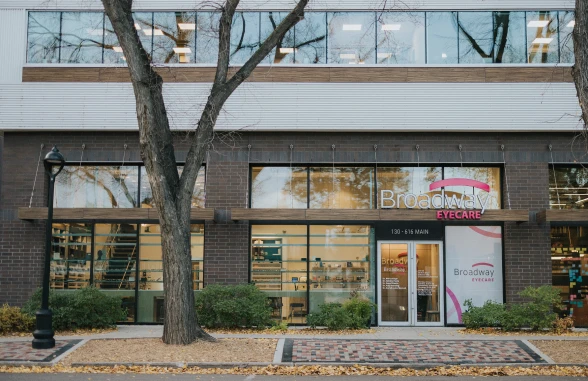
We’re conveniently located on the corner of Broadway and Main Street, just down the street from Oskayak High School. There is paid street parking in front of our office and more parking in the lot behind the building.
Our Address
Contact Information
- Phone: 306-653-2993
- Fax: 306-653-2995
- Email: bwecadmin@yxevision.ca
After Hours Emergencies: 306-371-9911
Hours of Operation
*Closed, but we’d be happy to see you at InVision Eyecare, Stonebridge Eyecare, Pinehouse Eyecare, Brighton Eyecare, Warman Eyecare, or Northern Lights Eyecare!
Check Out
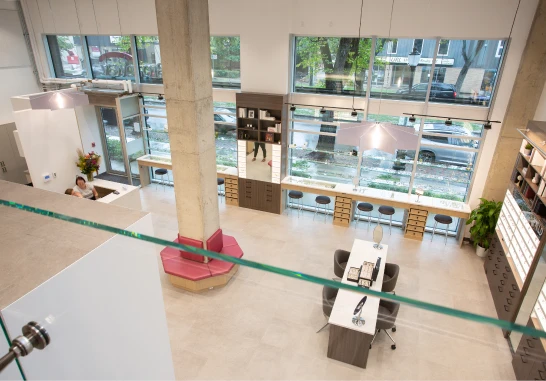
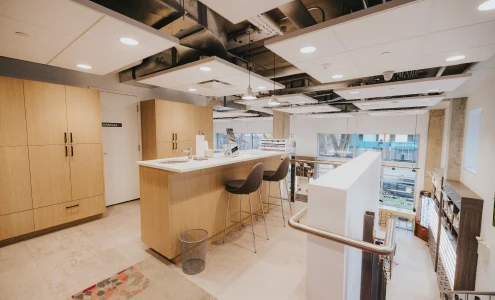
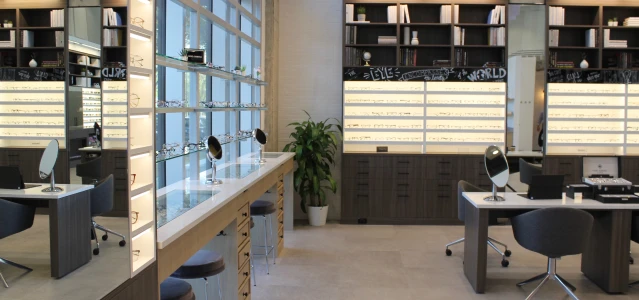
Our Broadway Clinic

See What Our Patients Are Saying
