


Whether it’s the end of a long day or you just woke up, blurry vision can be a confusing experience, especially if you’re already wearing your glasses. Refractive errors aren’t always the cause of blurriness—conditions like dry eye disease may be the culprit.
What symptoms occur when you have dry eyes, and is blurry vision one of them?
Dry Eyes Can Cause Many Symptoms
Dry eye disease occurs when your tears cannot effectively lubricate the eyes, causing irritation.
Dry eyes can lead to many uncomfortable symptoms, including blurriness. Dry, irritated eyes can make it difficult to see and affect your quality of life.
Blurry vision is only one sign you may have dry eyes, and each patient can experience different symptoms.
The symptoms of dry eyes include:
- A burning or stinging sensation in the eyes
- Blurry vision
- Gritty eyes
- Red eyes
- General discomfort when focusing on daily tasks
- Light sensitivity
- Mucus in or near the eyes
- Watery eyes
While anyone can develop dry eyes, some patients are more at risk due to various factors.
Who Is More at Risk of Dry Eyes?
There may be several reasons why a patient is more at risk of dry eyes, including their:
- Age
- Contact lens use
- Vitamin A intake
- Medical history
- Genetics
What Causes Dry Eyes?
Dry eye occurs due to issues with your tear film, 3 layers (mucus, water, and oil) that help keep your eyes hydrated and protected against debris.
Each layer of the tear film has a different purpose:
- Mucus: The mucus layer of the tear film keeps your tears attached to the eye’s surface.
- Water: The water layer of the tear film hydrates the eye and helps protect against dirt and debris.
- Oil: The oil layer of the tear film helps prevent tears from evaporating too quickly, with oil coming from the meibomian glands in your eyelids.
Problems in the tear film can lead to decreased tear production and/or increased tear evaporation.
Decreased Tear Production
Decreased tear production is common with age—older adults have greater difficulty producing tears. However, this isn’t the only reason tear production can become affected.
Factors related to decreased tear production include:
- Age
- Medication use
- Medical conditions
Increased Tear Evaporation
Increased tear evaporation occurs when your tears dry out too quickly, typically due to issues with your meibomian glands. These glands can become clogged or blocked, affecting how much oil reaches the tear film. When this happens, tears can evaporate faster than normal, leading to dry, irritated eyes.
Causes of increased tear evaporation include:
- Meibomian gland dysfunction
- Infrequent blinking
- Wind, smoke, or dry air
- Vitamin A deficiency
- Eye allergies
- Eyelid problems
How Can You Manage Dry Eyes?
There are many ways to manage dry eyes, but it’s important to know that as a multifactorial condition, dry eye has several possible causes. Because of this, some treatments may not benefit you as they do other patients.
Your optometrist will identify the root cause of your symptoms during a comprehensive eye exam before recommending a customized treatment plan.
Depending on your dry eye needs, your eye doctor may recommend any of the following treatments:
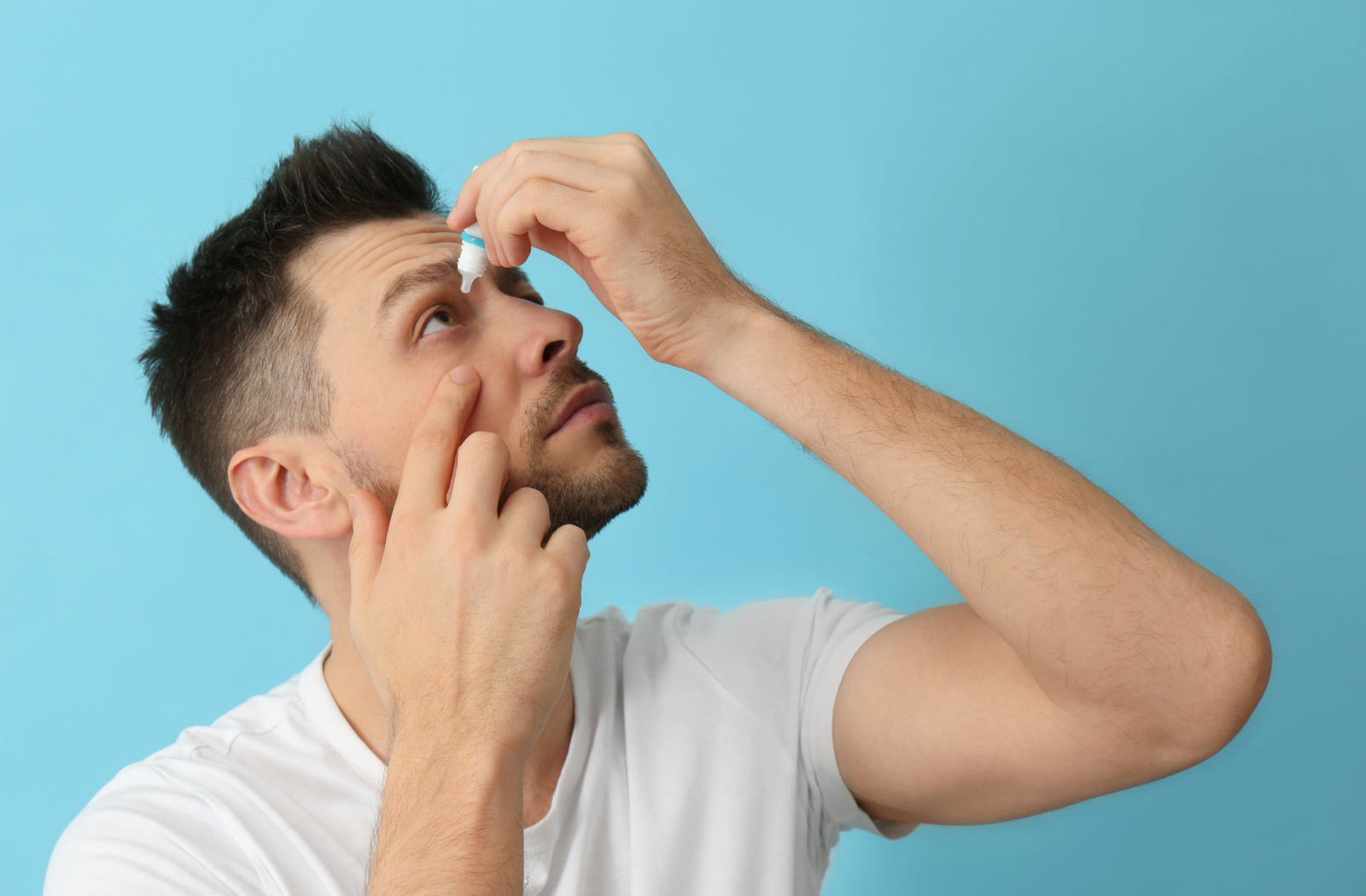
- Artificial tears: Artificial tears are over-the-counter eye drops designed to mimic your real tears. They help provide temporary moisture to your eyes.
- Prescription eye drops: Prescription eye drops have a specific purpose depending on the cause of your condition. These prescription drops can help with tear production or reduce inflammation in the eye.
- Punctal plugs: Punctal plugs are inserted in your tear ducts to prevent drainage. These devices help your tears stay on the eye’s surface longer, reducing dry eye symptoms.
- Meibomian gland expression: Meibomian gland expression helps remove blockages from the glands, restoring oil flow to the tear film.
- BlephEx: BlephEx is an in-office treatment where your eye doctor uses a specialized device to clean your eyelids, removing debris to help reduce inflammation in the eye that causes dry eyes.
- Intense pulsed light therapy (IPL): IPL uses light pulses to reduce inflammation in the eye and remove blockages in the meibomian glands, helping improve dry eye symptoms.
Don’t Settle for Dry Eyes & Blurry Vision
Dry eyes can cause many uncomfortable symptoms, but they don’t need to be a daily occurrence. Your eye doctor can help you manage this condition, whether with eye drops or in-office treatments. They’re here to help keep your vision clear.Contact Broadway Eyecare if you experience dry eye symptoms.